Aphasia
Personalised language rehabilitation for adults living with aphasia — and practical support for the families and friends who communicate with them every day.
Aphasia is a language disorder caused by damage to the language areas of the brain — most often after stroke, but also following traumatic brain injury, brain tumour, infection, or progressive neurological conditions such as Primary Progressive Aphasia. Over 140,000 Australians live with aphasia today.
Aphasia does not affect intelligence.The person’s thoughts, opinions, personality, and knowledge are still there — they just have trouble getting language in or out. You know exactly what you want to say. The words just won’t come.
Aphasia therapy is real, practical, and effective. With the right support, people with aphasia continue to make meaningful gains — sometimes years after the initial event — and rebuild a life of connection, participation, and confidence.
What Aphasia Can Affect
Aphasia can affect any combination of the four language modalities, and often shows up in everyday situations long before it’s formally identified:
Speaking
Struggling to find the right word, speaking in short fragments, or producing words that don't come out as intended.
Understanding
Difficulty following conversation, especially when people speak quickly, in groups, or about unfamiliar topics.
Reading
Trouble reading text — from newspapers and emails to medication labels and text messages.
Writing
Difficulty writing emails, filling in forms, or even signing your name.
Numbers
Managing money, phone numbers, dates, and appointments.
Confidence
Conversations can become exhausting, leading to social withdrawal, frustration, and changes in self-identity.
How Therapy Helps
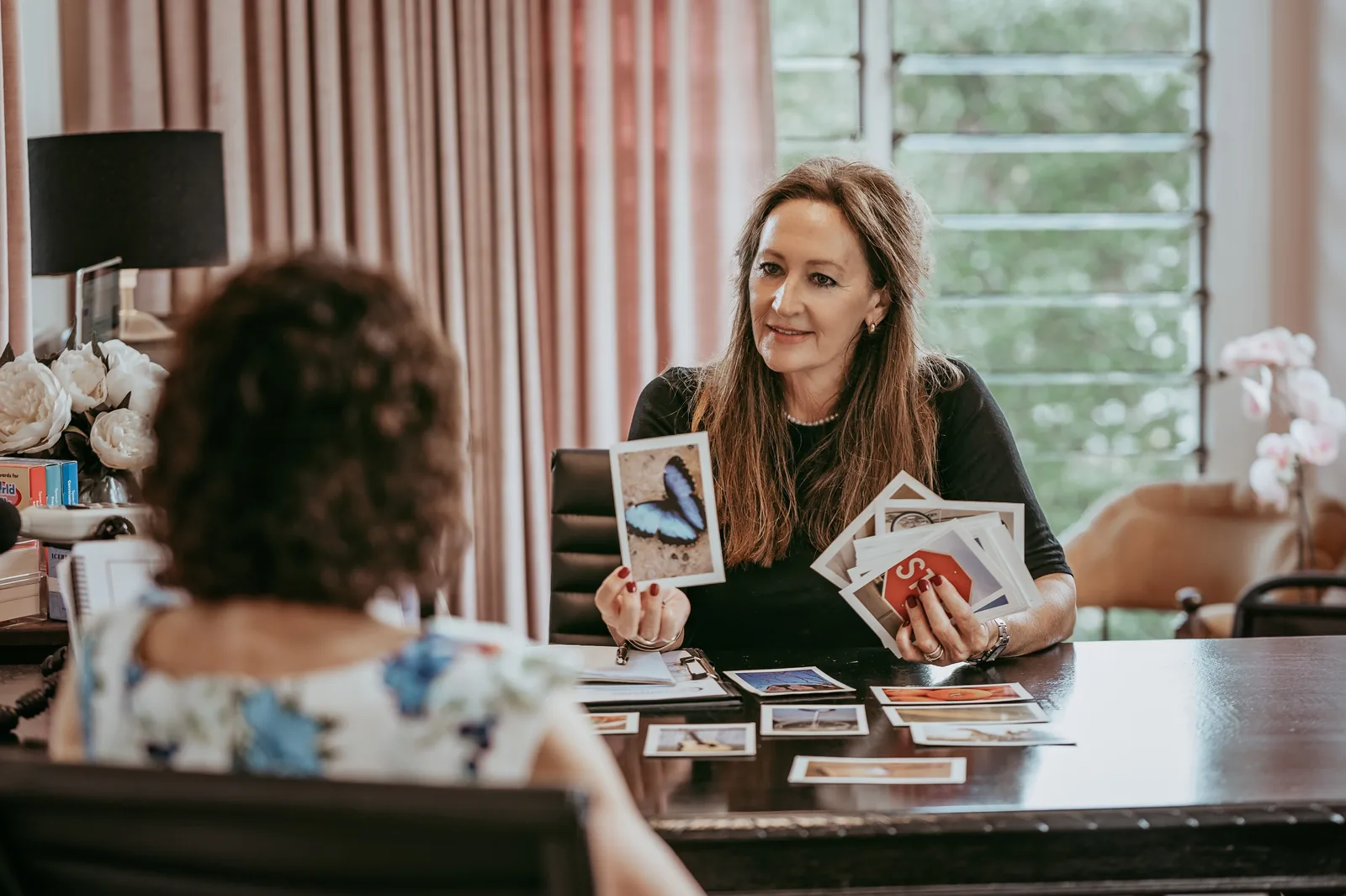
Therapy starts with understanding what matters most to you — whether that’s returning to work, ordering coffee, talking to grandchildren, or making a phone call without help. From there, I build a personalised plan grounded in evidence-based approaches.
Assessment and Goal Setting
Direct Language Therapy
Communication Partner Training
One of the most effective interventions in aphasia care is training the people around the person with aphasia — partners, adult children, close friends, carers. Communication is a two-way activity, and small changes from a communication partner can dramatically reduce frustration on both sides.
Recovery Is Real — At Any Stage
The brain can continue to recover and adapt well beyond the early weeks and months after a stroke. Therapy works at every stage of the journey — I see meaningful progress in clients who began therapy years after their initial event.
Recovery doesn’t always mean returning to exactly the way language worked before. It means finding the best way to communicate, participate, and stay connected to the people and activities that matter — and rebuilding confidence along the way.
Living with aphasia, or supporting someone who is?
Whether you're newly diagnosed, years into recovery, or a family member looking for support — I can help.